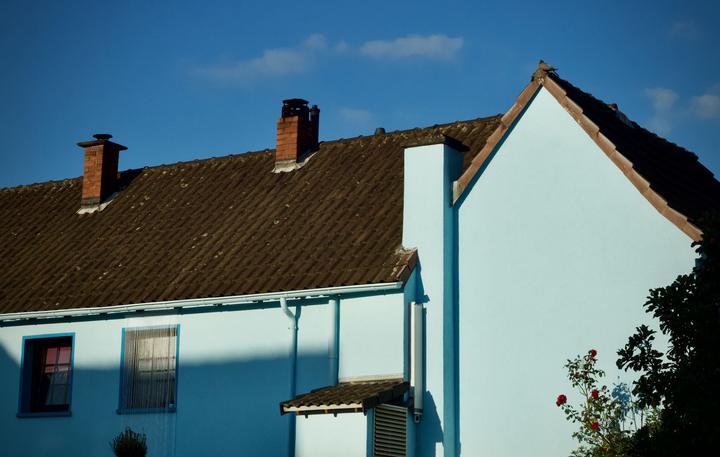
Humid Air, Damp Brick and Your St. Augustine Chimney
In a damp climate, much of a chimney's moisture comes from air and rain, not from the fire.
- Family run
- Locally owned
- Licensed and insured
- Same-day service
Get Your Free Inspection
Request Received
Got it, thank you. Expect a call from the family to book your free inspection.
Or call us at (904) 943-7482
Short version
Chimney humidity problems start when damp Florida air and rain soak into brick, mortar and the flue, then cannot dry out. The results are rusted dampers and caps, crumbling joints, musty odors and sometimes mold on nearby framing. A cap, a sealing damper, sound joints and a breathable repellent keep a chimney dry.
Where the Moisture Comes From
A chimney is a tall, open-topped column of masonry that sits outside the air-conditioned envelope of the house. Warm, wet outdoor air drifts down an open flue and meets the cooler surfaces of the firebox and smoke chamber, where it condenses. Rain adds more water through an uncapped flue, a cracked crown or open mortar joints.
Brick and mortar are porous. They take on water easily and give it up slowly, especially on the shaded sides of a stack. In a climate where the air stays humid for much of the year, a chimney can stay damp from one rainy spell to the next.
Chimney Moisture Problems You Can See
Rust is usually the first sign. Steel throat dampers, firebox grates, galvanized caps and chase covers all corrode faster when they rarely dry out. Rust flakes in the firebox or a damper that grinds when it moves are common in fireplaces that sit unused through the summer.
On the masonry, look for white efflorescence, dark patches that stay after the rain stops, mortar that turns sandy, and brick faces that flake off. Inside, peeling paint or a soft spot in the drywall beside the chimney points to water getting through.
Odors and Chimney Mold
Old soot and creosote in a damp flue give off a sour, smoky smell that gets stronger in humid weather. The smell is often worse when the air conditioning runs, because the house pulls air down the chimney.
Chimney mold is less common inside the flue itself, but wet insulation, drywall or framing next to a leaking chimney can grow it. That calls for stopping the water first. Removing mold from finished rooms is a job for a remediation contractor; our work is keeping the chimney from feeding it.
What Keeps a Chimney Dry
Four things do most of the work. A cap keeps rain out of the flue. A damper that actually seals, often a top sealing damper, stops humid air drifting down when the fireplace is off. Sound mortar joints and a crown with an overhang keep rain out of the masonry. A breathable water repellent helps porous brick shed rain while still letting trapped moisture escape.
Avoid paint-like sealers on brick. A film that traps moisture inside the masonry makes spalling and efflorescence worse, not better.
A Simple Routine
Have the chimney inspected once a year, ideally before the cooler months. Keep the damper closed when the fireplace is not in use. Sweep the flue when deposits build up, since clean flues smell less. After a long, wet spell, look for new stains or rust streaks and call before small problems spread.
- Cap on the flue, screen intact
- Damper closes and seals
- Crown and joints free of open cracks
- No paint-like coating on the brick
Why Homeowners Call Us Back
-
Family run
The company is run by one family, so the people who price the job are the people who answer for it.
-
Upfront, honest pricing
The price is on paper before we start. If something changes, we ask before doing more.
-
Workmanship warranty
Our workmanship warranty backs every repair we complete.
-
Licensed and insured
Licensed and insured, with an experienced crew on every roof and hearth.
Urgent Chimney Problem in St. Augustine?
The 24/7 emergency line is answered at any hour. Once the house is safe, the family sorts out the repair plan with you.
If there is fire, a gas smell or a carbon monoxide alarm, get everyone out and call 911 first. Report a gas smell to your gas utility from outside the house.
How a Job Goes, Start to Finish
-
Tell us the symptom
Call or send the form. Describe what you notice, such as a damp ceiling patch, a smoky room or a gas unit that clicks and will not light.
-
Free inspection at the house
A crew member looks at the parts involved, inside and on the roof where it is safe, and shows you what was found.
-
A written estimate
You get the scope and the price on paper before any work is booked. Nothing is added later without asking you first.
-
The work, then a walk-through
The crew completes what you approved, tidies the work area and walks you through what changed and what to watch.
Inspect First, Then Save 10%
Book the work within 72 hours of your free inspection and we take 10% off that service.

Proudly American
Owned and run by one St. Augustine family. Our experienced crew puts every estimate on paper and backs its repairs with a workmanship warranty.
Request a Free Inspection in St. Augustine
- No-charge inspection, priced on paper
- Upfront pricing with no hidden fees
- Family owned and run
Request Received
Got it, thank you. Expect a call from the family to book your free inspection.
Have the Chimney Checked While the Fix Is Small
A single phone call books the free inspection at your St. Augustine home; the written estimate follows.